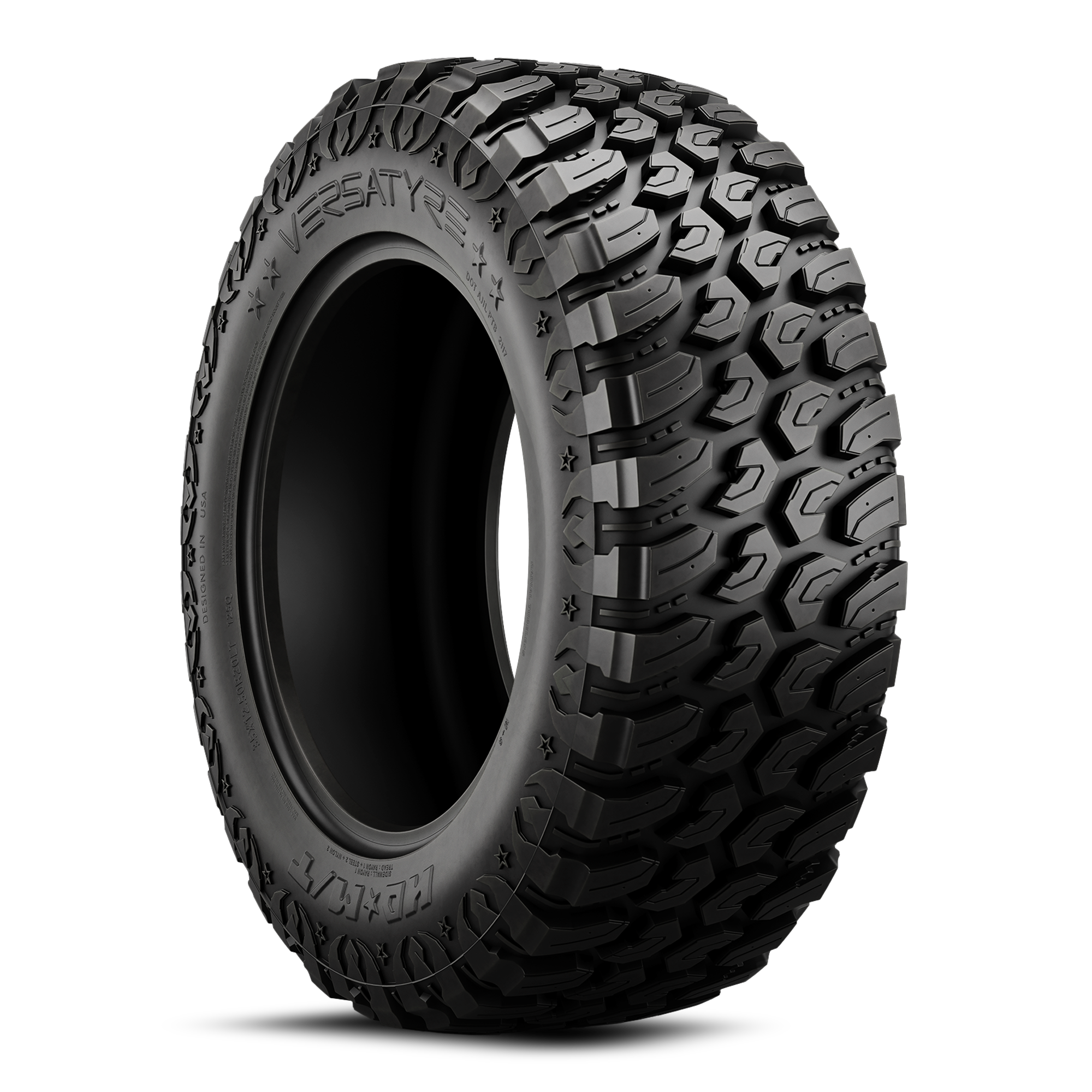
What is your priority when upgrading tires on your truck or off-road vehicle? While appearance and style are often the motivation for new tires, it’s just as important to consider how these new tires will affect traction in different conditions. Tire size is another essential detail, and it’s important to ask our team about how the tire size affects the speedometer, traction, and performance.
In fact, the type and size of tires that you choose will impact the speed, gearing, and fuel economy. So, the best approach is to discuss your preferences and goals with our team, and we’ll help you select the ideal tire diameter and weight for your unique needs. With this proactive approach, you can choose the ideal products and avoid expensive surprises in the future.
Tire Size Basics Every Driver Should Understand
If you don’t know a lot about tires, then it’s time to start with the basics. This information can help you learn more about how your tire will affect your vehicle and the type of handling that you can expect.
- Tire Size: Several factors are used in determining the size of a given tire, including the diameter, width, and aspect ratio.
- Overall Diameter: Understanding the overall diameter is a great way to know how far the vehicle will travel with each wheel rotation.
- Rolling Circumference: Identifying the rolling circumference is important because it affects the revolutions per mile and how the drivetrain behaves.
Keep in mind that even the smallest changes in your tire specs can have a significant impact on the overall performance.
How Speedometers and Odometers Measure Speed
Wheel rotation data is used to calculate the speed of a vehicle, and all speedometers are calibrated based on factory tire size. If you make changes to the tires, such as choosing tires with a different diameter, then it will change the distance traveled per rotation.
This is the reason why speed readings change when you make tire swaps. As a driver with custom-sized tires, you need to know how tire diameter affects mileage and speed to ensure that you are keeping within the limits in the area where you are driving.
How Tire Size Affects Speedometer Accuracy
When you put bigger tires on your vehicle, they will travel farther per rotation, which makes your speedometer read slower. On the other hand, smaller tires increase the revolutions, which makes the speedometers read faster.
The bigger the diameter change in your tires, the bigger the difference in speedometer readings that you are going to get. Major differences in tire size will cause a significant error in speedometer readings. So, you need to understand how the accuracy is being affected.
Tire Size and Gearing: What Changes Mechanically
There is also another question to ask about your new tires: the tire size impact on gearing ratio. When the tire size changes, it impacts the effective final drive ratio. Larger tires will raise gearing, which lowers engine RPMs. Smaller tires lower gearing, which increases RMPs.
You’ll notice the tire size impact on gearing ratio, as well as a different throttle response when you change the tires. If this hearing is mismatched, then it could cause unnecessary stress on the drivetrain. The best solution is to make sure that you are proactive about regearing after a tire change, if necessary.
Engine Load, Power Band, and Driveability
Since larger tires increase rotational mass and engine load, it means that your acceleration might feel slower (especially when you are driving in the city). Towing and off-road performance can also be impacted because of the power band shifts that occur with bigger tires.
There is a lot that happens when you put bigger tires on your vehicle, and it’s essential that you understand how performance and driving will be affected. Our team is here to offer expert advice so that you can find the best tires based on the way you will be using the vehicle.
How Tire Size Impacts Fuel Economy
Another thing to consider is the way your new tires will affect fuel economy. If you have heavier or larger tires, then the rolling resistance is going to increase, which can take a toll on your gas mileage.
For example, the tire size impact on fuel economy often causes highway MPG to drop because of the altered gearing. MPG within the city is usually affected because of the extra weight and an increased demand when accelerating.
The actual results that you achieve depend on your driving habits and the terrain where you are driving the vehicle.
When Re-Gearing Makes Sense
It might make sense to regear your vehicle after fitting it with upgraded tires. But each situation is unique, which is why it’s best to talk to our expert tire team for personalized recommendations. Re-gearing can restore factory performance after you make major increases to your tire size.
Some of the signs that you might need re-gearing include frequent downshifting or a sluggish sensation when you are accelerating. Even though regearing after a tire change increases the cost, many drivers feel like it’s worth the expense because they want to improve drivability. Ultimately, this decision depends on the tire size, the weight of your vehicle, and how you are planning to use the vehicle.
How to Fix a Speedometer After a Tire Change
There are several options you might consider to fix a speedometer after changing the tires. On newer vehicles, the most common recommendations include ECU or OBD recalibration options. Research various aftermarket correction modules that can be used to adjust speed signals.
Not only do you need to know how to adjust the speedometer after a tire size change to prevent the risk of speeding tickets, but this strategy also helps to minimize wear and tear on your vehicle.
FAQ
Does tire size make your speedometer inaccurate?
Yes, any time you change the tire diameter, it will affect the accuracy of the speed measurements.
How much does tire size affect MPG?
Most drivers find that their fuel economy drops with bigger tires because of added weight, resistance, and gearing changes.
Can you fix a speedometer error without re-gearing?
Yes, recalibration tools can sometimes be used to correct speed readings without changing gears. It depends on your vehicle and the types of tires that you are using.
Talk to the Tire Experts for Personalized Results
If you need personalized recommendations and information about how tire size affects speedometer performance, then reach out to our experienced team at Versatyre. We are always here to help.