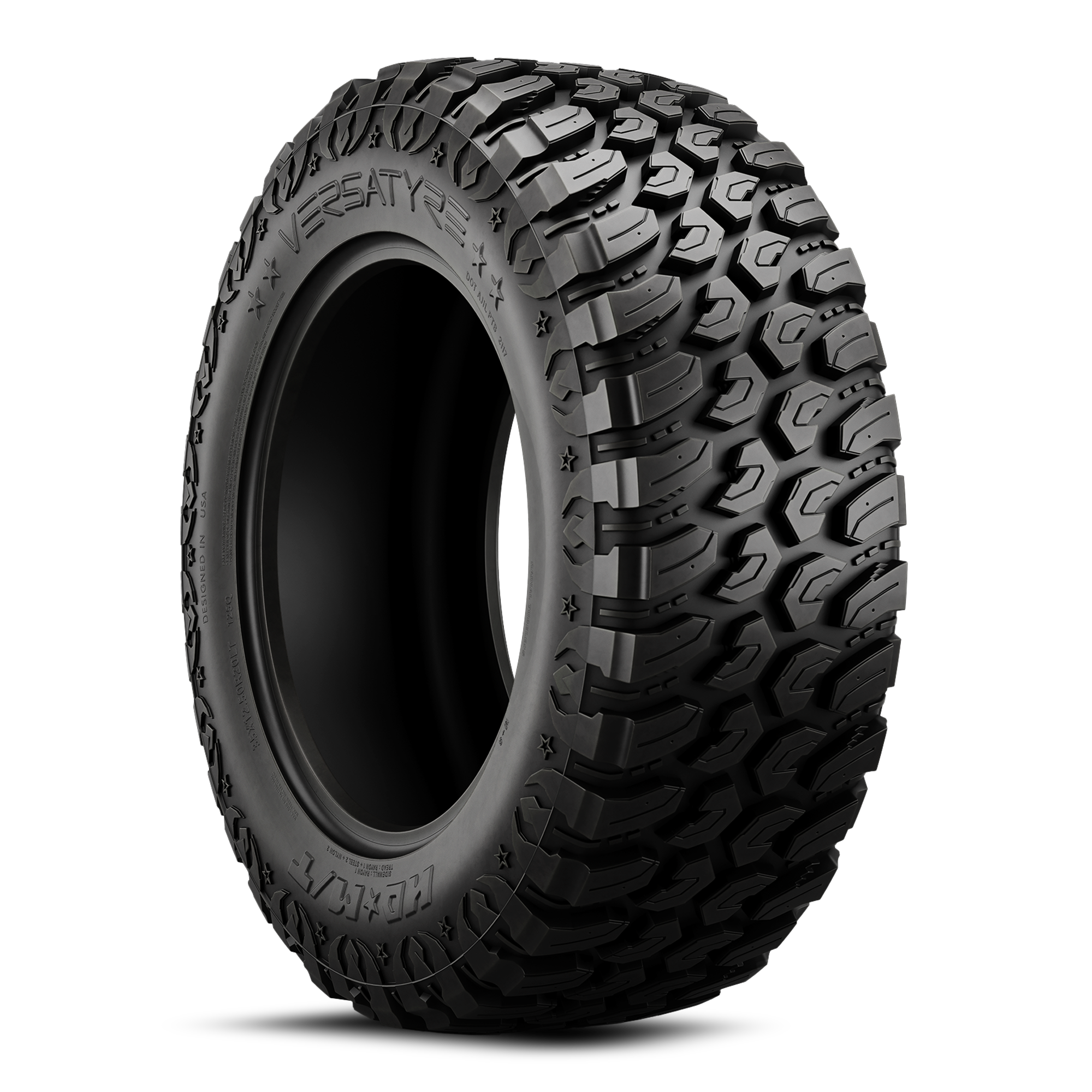
When tire failure happens, it’s usually because of issues with the sidewalls (not the tread). So, if you want to choose tires that are built to last for the conditions where you will be driving, then it’s essential to understand more about tire sidewall construction.
The sidewalls determine how your tires will handle various conditions, including impact, heat, load, and flex. Our team is here to help you choose the ideal tires for your vehicle and driving conditions, so you have the benefit of tires that last longer and ensure safety when you’re on the road.
Why Tire Construction Impacts Strength, Comfort, and Lifespan
The internal structure of a tire is the factor that controls the way forces are distributed across the tire. The truth is that tire sidewall construction affects many aspects of your driving experience, including comfort, load capacity, and heat management.
If you have tires with poor sidewall construction, then it can increase the risk of sidewall damage and result in premature wear.
Tire Construction Basics Explained
In order to understand tire sidewall durability, it’s helpful to learn about how tires are designed and made. Tires aren’t just one piece of rubber…they actually have layers that are built into the design.
- Tire Carcass: The carcass of the tire is designed to support the load of the vehicle and also helps to absorb impact while you are driving. Think of it as the skeleton of the tire.
- Tire Plies: The plies affect the strength, stiffness, and flexibility of the tires. They are layers of fabric that provide reinforcement to the overall structure of the tire.
Adding more reinforcement will improve your load handling, but these layers also reduce flexibility. The most important factor is choosing a tire with good balance instead of simply the raw thickness of the materials.
Radial vs. Bias-Ply Tire Construction
When you are choosing tires, it can also be helpful to understand the difference between radial and bias-ply tires. Radial tire construction has plies that are positioned perpendicular to the tread. This design is beneficial for improved comfort on the road, and it also helps with heat control and tread life.
In comparison, bias-ply tires have overlapping plies that increase overall strength. This tire design is excellent for low-speed, high-impact driving, such as in off-road environments.
What You Need to Know About Tire Sidewalls
The tire sidewall construction is designed to allow flex and also support the vehicle’s weight at the same time. The sidewalls protect the internal components to reduce the risk of tire failure due to impacts and cuts.
Sidewalls are more important than the tread for absorbing the shock of terrain variations. So, if you are off-roading, then tire sidewall durability is an essential factor to consider.
Why Sidewalls Are the Weakest Point Off-Road
By design, sidewalls are thinner than the tire tread, which is why off-road drivers need tire construction explained. When there are rocks, roots, and edges on the trail, then they will impact the sidewall first.
Depending on the conditions, you might decrease tire pressure to help with traction, but this can also increase the risk of sidewall exposure and flex.
When a sudden and catastrophic tire failure occurs, it usually happens because of sidewall damage. So, it’s essential to choose tire sidewall construction that aligns with your driving habits and the type of terrain where you will be spending the most time.
Ply Rating Explained and Why It’s Often Misunderstood
Next, it’s helpful to understand more about ply rating. This rating is an indication of the tire’s load strength. If you need a bigger load capacity, then you should choose tires with a higher play rating. When it comes to hauling and load safety, the ply rating usually matters more than the risk of puncturing the tires.
Tire Construction for Off-Road Terrain
Modern technology makes it possible to design tires with different features to accommodate various types of terrains. So, when you talk to our team about your tire selection and off-road tire sidewall strength, we will ask questions about your driving plans and the conditions where your vehicle will be driving.
- Rock Crawling and Sharp Terrain: In these conditions, you need tires with strong sidewalls and a high cut resistance. The best types of performance tires include reinforced radial designs or bias-ply tires.
- Mud, Trails, and Loose Ground: When you are in mud and dirt, it’s important to have a moderate flex in the tires to improve your grip. Keep in mind that if the sidewalls are too stiff, then your traction will be reduced.
- Sand Driving: Tires designed for sand driving have flexible sidewalls to help with flotation, which is especially important if you are planning to reduce tire pressure to help with traction. So, if you have tires with too much sidewall flex, then it can increase the risk.
FAQs
Does ply rating equal strength?
The ply rating of your tire is an indication of load capacity. But ply rating doesn’t matter for total puncture or cut resistance.
Are thicker sidewalls always better?
While thicker tire sidewall construction can improve protection, there are also potential drawbacks. For example, thicker tire sidewalls mean that your ride isn’t quite as comfortable, and traction is also reduced.
Can radial tires handle off-road driving?
Yes, modern radials are excellent for off-road use, especially when you choose tires that are properly reinforced.
What causes sidewall blowouts?
The most common causes of sidewall blowouts include a buildup of heat, overloading the tires, or low tire pressure.
Choosing the Right Tire Construction for Your Driving Style
Our expert team at Versatyre is here to help with your tire selection, offering a variety of options to meet your unique needs. Talk to us about your daily driving priorities so that you can choose the ideal tires for both comfort and longevity.
Contact us today to learn more about your options and the different types of tires that are available.