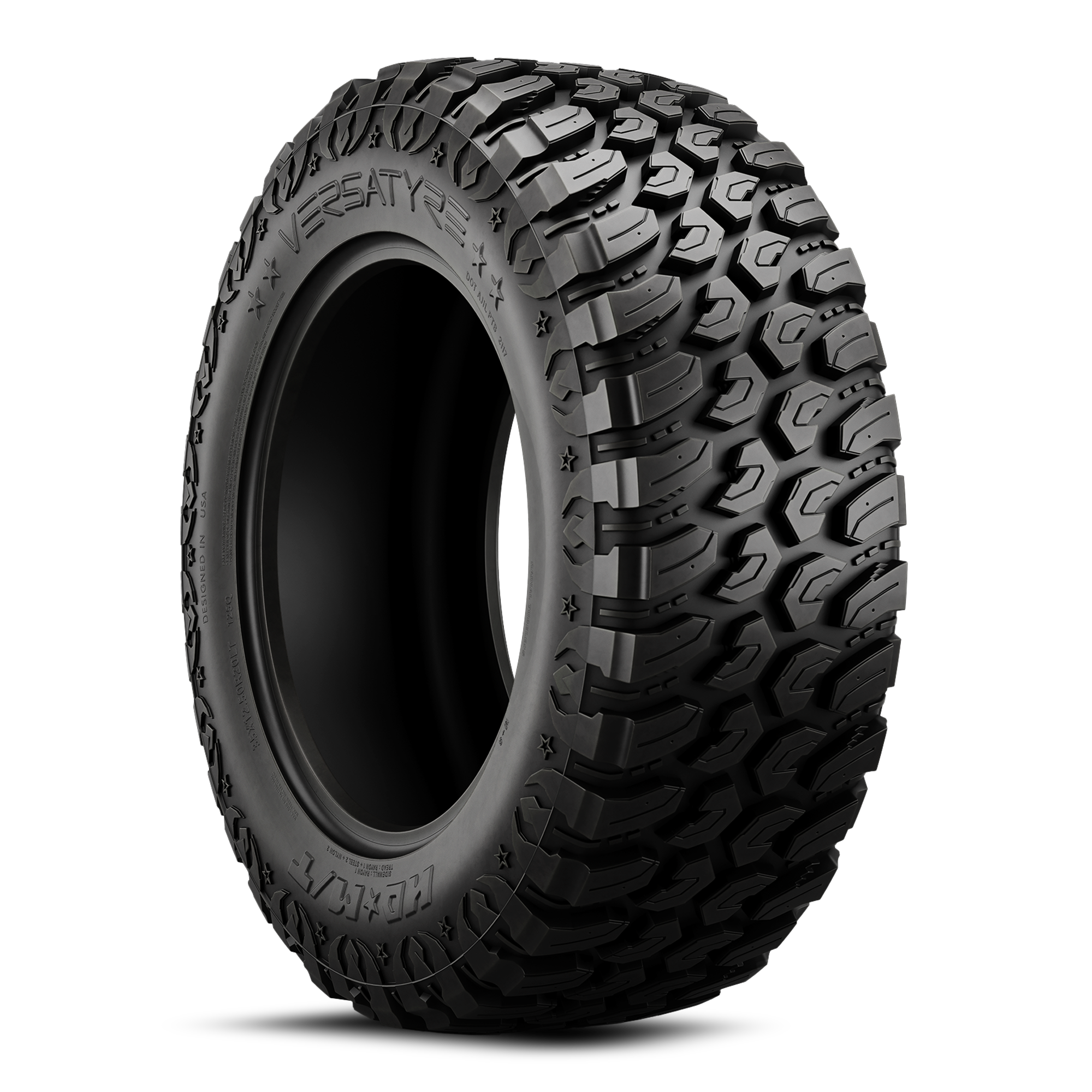
The quality of your tires is one of the most important things to consider when it comes to maintaining safety on the road. Not only do you need to know the depth of your tire tread, but there are also other checks and tools that can be used to ensure that your tires are in the best condition.
As you are going through your vehicle care checklist, make sure to add these things to your to-do list. Here are a few things to keep in mind when you are doing a tire tread inspection.
Why Tire Tread Matters for Safety
New tires have the best grip in various road conditions because the tread is in prime condition. This tire tread is designed to grip the road when the conditions are wet, icy, or uneven so that you have stable driving.
As you put miles on the tires, the tread starts to get thin, and the tires become “bald.” Since there isn’t as much traction, there is a higher risk of hydroplaning, and you will need longer distances to brake. As a result, the worn tires perform much worse on the road, which increases your risk of an accident.
Every car owner needs to stay current with tire safety standards, including the minimum legal tread depth. These standards not only keep you safe, but they can also contribute to fuel efficiency and your comfort on the road.
Step 1: A Visual Tire Tread Inspection
The first step is to take a look at your tires. Tires are designed with built-in tread wear indicators, which are small rubber bars within the grooves of the tires. Other warning signs that you might notice include cracking, bulging, or objects that are embedded in the tire.
Also, look at the tire wear patterns because the tires will need to be replaced sooner if they have uneven wear. These wear patterns are why it’s important to be proactive with regular tire rotations. If there is uneven wear, then talk to our team because it could be an indication of issues with your tire inflation, suspension, or alignment.
The Penny Test: Quick and Easy
One of the simplest ways to check your tire tread is with a penny. Turn the penny so that Abraham Lincoln’s head is upside down. Then, insert the penny into a tread groove and see how much of Lincoln’s head is showing.
If part of Lincoln’s head is covered, then it means that the tires are still safe according to legal standards because you have 2/32 of an inch of tread left (or more). But if you can see the top of Lincoln’s head while the penny is between the grooves, then it means that the tires are worn out to the point that they are unsafe. You should replace your tires immediately.
Keep in mind that this penny test is only a quick tire maintenance checklist item. The best way to determine the actual tire tread depth is with proper measurement tools.
Using a Tire Tread Depth Gauge (Most Accurate Method)
The most accurate solution to check your tire tread depth is by using a specialized tool that is designed for this purpose. There are different types of gauges, including digital readers and manual measurements.
The results of the tire tread depth gauge will help you determine whether the tires are safe to be driven. Some vehicle owners choose to invest in a gauge to use at home, especially because it is an inexpensive tool and quite reliable. Or you can visit a tire shop for a quick inspection and recommendations for the best timing to invest in new tires.
What Different Tire Wear Patterns Mean
If you notice uneven tire wear patterns, then it could be an indication of other issues that need to be corrected. These are the most common indicators based on the patterns that you notice during the tire tread inspection:
- Center Wear: Wear patterns that affect the middle of the tire usually indicate that the tire is overinflated.
- Edge Wear: On the other hand, if you have an issue with underinflation, then you will notice wear patterns on the edge of the tires.
- Cupping or Patchy Wear: When suspension issues are happening, you will notice patches of wear in different places on the tires.
- Feathering: A feathering on the tires could be a signal that you have problems with your alignment.
For best results, visit a tire shop for a professional inspection. We can evaluate your tire wear patterns and help you understand what is happening behind the scenes to cause these issues.
Knowing When It’s Time to Replace Tires
How do you know when it’s time to invest in new tires? Watch out for these signs:
- The tire tread is lower than the legal minimum tread depth. In fact, many tire experts recommend replacing the tires at a safe replacement depth, which is more conservative than the legal minimum.
- Even if tires look ok, they should be replaced if they are too old. The tread might seem fine, but there is a risk of an accident because of rubber breakdown.
- Climate factors, such as heat, snow, or rain, can also accelerate tire aging. So, the replacement timeline depends on your location and the current season.
- Some of the most common signs that your tires need to be replaced include vibration while driving, excessive noise when you’re on the road, or visible damage.
FAQs
How often should I check my tire tread?
We recommend checking your tire tread once a month. Also, have the tread checked before leaving on a long road trip.
What’s the easiest way to check tread at home?
The penny test (explained above) is a fast and easy way to check your tire tread. Or buy a cheap at-home gauge for more accurate testing results.
What tread depth is unsafe for driving?
We don’t recommend that you use the tires if they have anything under 2/32 of an inch.
Talk to the Experts for Your Tire Tread Inspection
If you are wondering whether your tires need to be replaced, then reach out to our experienced team at Versatyre. We’re here to help you maintain safety on the road with good, reliable tires.