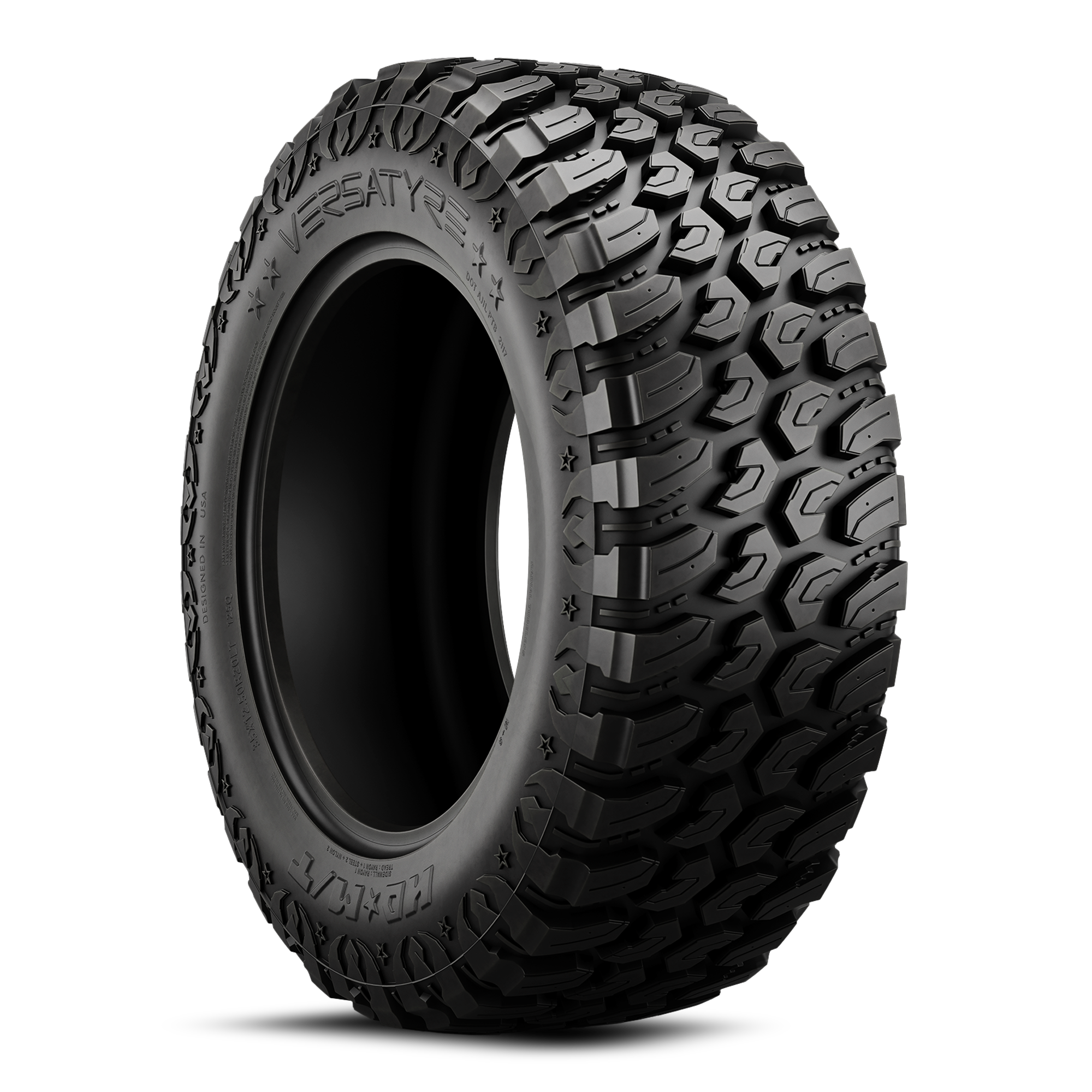
As a truck owner, you know that the quality of the tires that you choose makes a big difference in the performance when you are behind the wheel. The light truck tires that you are using also have an impact on safety and comfort for everyone in the truck.
What type of conditions will you be driving in: highway, off-road, or all-terrain? It’s essential to consider how you are planning to use the truck so that you can pick the ideal tires for your lifestyle. Our team is here to help you match the tire size, tread, and durability to your needs while helping you save money at the same time.
Reach out today to learn more about your options and find the best truck tires for your vehicle.
Understanding Light Truck Tire Types
These are some of the types of tires you might consider for your light truck. There are pros and cons to all of the tire types, which is why we recommend that you match the tires to the type of conditions you are planning to drive in:
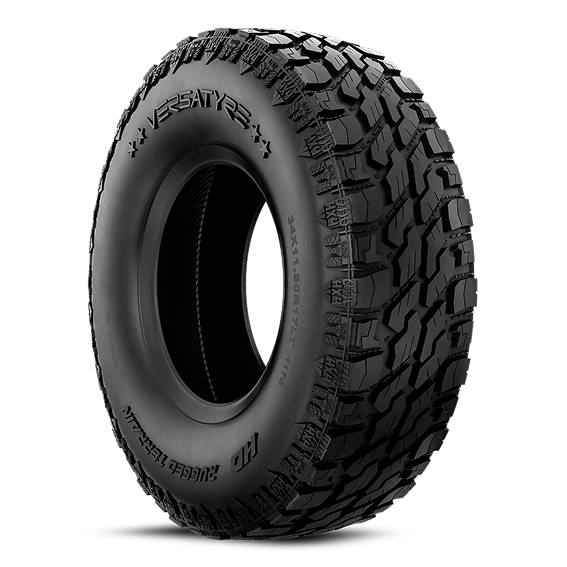
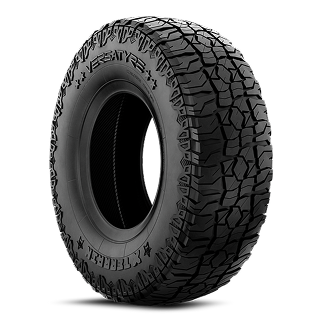
- All-Terrain Tires: If you need a versatile option, then an all-terrain tire is the way to go. You will enjoy comfort on the highway and off-road capability at the same time. These tires are an excellent choice if you are spending time on both city roads and more rugged dirt roads. You have the tire tread patterns that are necessary for good traction in a variety of conditions.
- Highway Tires: When most of your time is spent on the highway, you need tires that will deliver a smooth and quiet ride on paved roads. The tire treads aren’t as aggressive as off-road tires, which makes them easier to drive on asphalt and concrete. Not only do these tires give you better comfort behind the wheel, but they also help you maximize fuel efficiency. Plus, these tires will last longer since off-road tires will wear down quickly when driving on paved roads.
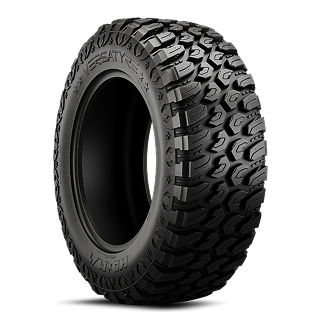
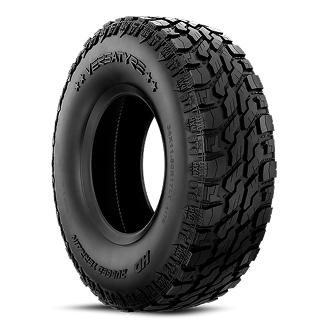
- Mud Terrain Tires: The best truck tires for rocky environments, deep mud, and a lot of loose dirt are designed with deeper tread patterns to provide the grip that is needed in these challenging conditions. But you don’t want to drive with these tires on highways because the tires will wear out more quickly, and you’ll have lower fuel efficiency.
- Winter & Snow Tires: Some truck owners like to have a set of tires specifically for the colder months. These light truck tires are made with specialized rubber that maintains flexibility even in cooler weather. They have deep grooves that can grip the ice or packed snow.
Key Factors to Consider When Choosing Tires
If you don’t know a lot about tires, then it might feel overwhelming to choose the ideal set for your truck. The good news is that our team is here to answer your questions and ensure that you are picking the best truck tires for your lifestyle.
We will start by using a tire size guide to make sure that your new tires match the size of your truck. Sizing matters because it will affect how well your truck handles while you are driving. If you need a little more ground clearance, then you might go with bigger tires. But keep in mind that these oversized tires will reduce your fuel efficiency.
Are you planning to carry heavy loads or haul trailers and equipment? Then make sure that your light truck tires are rated for the anticipated weight that you will be adding. You’ll want tires that have higher ply ratings and are designed with reinforced sidewalls.
Tread durability is another factor to consider. Many truck owners choose tires with warranties that cover tread wear. Going with a premium tire is an excellent choice to ensure the long-lasting results that you desire. You can extend the life of your tires even more by keeping up with tire maintenance, such as regular rotations, balancing, and tire pressure checks.
Why Tire Tread Patterns Matter for Your Truck
The truth is that different types of tire tread patterns will have an undeniable impact on the way your truck handles in various conditions. If you need improved grip because you will be driving in mud, snow, and off-road conditions, then go with a tire that has an aggressive tire tread pattern.
Symmetrical treads are ideal when you are prioritizing stability and longer tread life. But asymmetrical treads are best if you need better performance for handling and cornering.
Budget vs. Premium Tires: Is It Worth It?
When you look at the different types of light truck tires, you might be tempted to go with the cheapest tires you can find. But instead of only evaluating the initial price tag, it’s just as important to consider long-term safety and the overall ROI of your purchase (based on the longevity and performance of your tire).
If you have lighter driving needs, then a budget tire might be sufficient. On the other hand, going with a premium tire will give you access to more advanced technology, better handling, and longer warranties. It’s essential that you compare the upfront costs with the long-term savings since premium tires need to be replaced less frequently.
FAQs
What are the best light truck tires for off-roading?
If you are planning to spend time off-roading, then we recommend mud-terrain or all-terrain tires so that you have the ideal grip and safety necessary in these conditions.
How do I know the right tire size for my truck?
We recommend checking your vehicle’s tire size guide and manufacturer’s recommendations to ensure the ideal sizing for your vehicle.
Are all-terrain tires good for highway driving?
Yes, all-terrain tires can work on the highway. But if you are spending most of your time on paved roads, then we recommend highway tires because they offer better fuel efficiency and a quieter ride.
Call the Experts for Help with Your Selection of Light Truck Tires
There are many options available when it’s time to choose new light truck tires. Our team at Versatyre is here to help you find the ideal balance of durability, traction, and comfort. Reach out at your convenience to learn more about the various types of light truck tires that are available.