For customers who don’t have much knowledge about the tire industry, it can feel a bit confusing to look at all of the specs and figure out the best tire for your vehicle. How do you know which tire ratings and features are going to work for your style of driving and the type of car that you have?
The truth is that tire ratings are very important because they play a role in safety, how the vehicle handles, and how your car is going to perform in different conditions. So, you need to be selective about the types of tires that you choose to put on your vehicle.
Our team at Versatyre is here to help you understand these markings and ratings so that you can choose the ideal tires for your driving style and requirements. In this article, we will share some of the essential details that you need to know. If you have additional questions, then we are always a phone call away and ready to assist.
Understanding Tire Size Codes
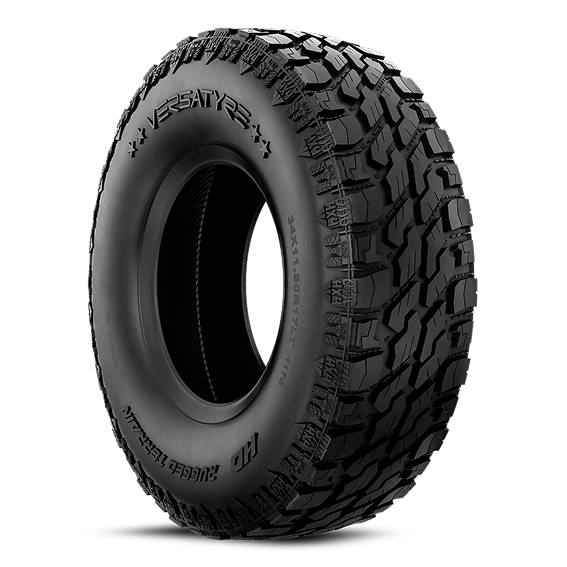
When you look at the tire sidewall information, you will see a combination of letters and numbers. These markings list the details you need to know about the width, aspect ratio, and diameter of the wheels.
Customers who understand the tire size meaning have an easier time ensuring that their new tires match OEM requirements. There are also options to upgrade sizes, depending on the type of vehicle you are driving and your overall goals.
If you only learn one thing about choosing a tire, then the ideal place to start is how to read tire codes. This information will tell you almost everything you need to know for your selection.
Load Index Explained: What You Need to Know
Check out the load index, because this rating indicates how much weight the tire will be able to carry safely. Keep in mind that these rates are assuming that the tires are at maximum pressure, and the load index can change if the tires are underinflated.
This information is critical if you have a large vehicle, and especially if you are planning to tow or go off-roading. If your load index is too low, then you are running the risk of overheating, blowouts, or premature wear to the tires.
Some of the signs that your tires are overloaded include visible bulging in the sidewalls and uneven tread wear. Additionally, you might notice that there is heat buildup in the tires after driving.
Speed Rating: How Fast Can You Go?
The next consideration is the tire speed rating. You need to know this number to ensure that you are keeping your speeds below the maximum speeds that they can handle. These ratings are based on the construction of the tire as well as the level of stability they maintain under friction.
An important note: a higher speed rating isn’t always better. Instead, the ideal approach is to choose tire ratings that are a realistic match to your typical driving habits.
Tread Patterns and Their Purpose
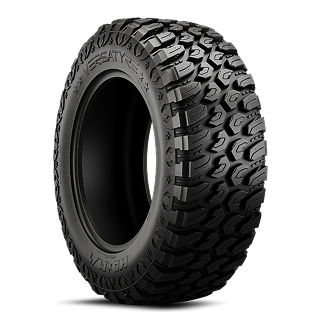
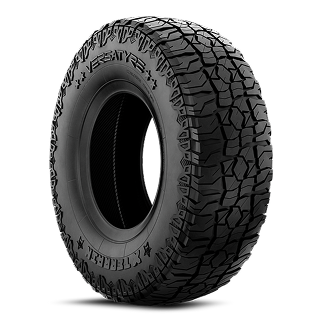
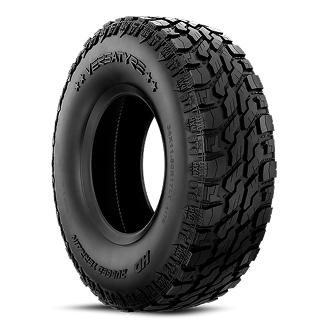
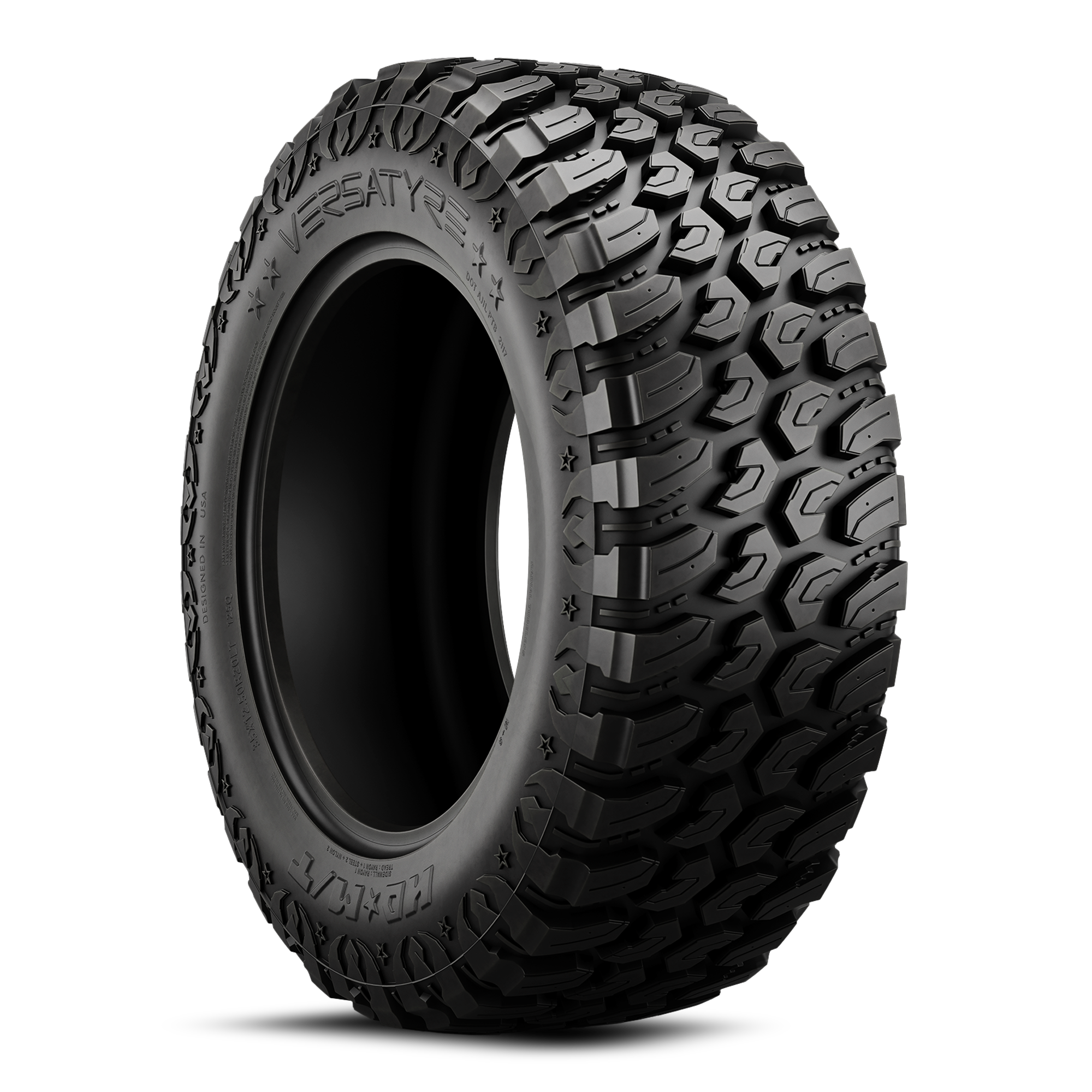
Next, take a look at the tread patterns on your tires. These patterns are important because they play a role in the traction and off-road abilities. Additionally, tread patterns impact the road noise you will experience while driving, as well as how well the tires perform in wet conditions.
If you have tires with a symmetrical tread pattern, then they are going to last the longest and offer a quieter experience. These tires are most common for city and paved road driving. Asymmetrical designs are ideal if you need a good balance between both grip and performance. On the other hand, when you are taking your vehicle off-roading, you will get the best performance with tires that have directional treads.
Choosing the right tire tread design types really depends on the terrain and weather conditions, as well as the type of vehicle that you are driving.
Other Tire Markings You Need to Know
Here are a few other tire ratings and markings that can be helpful to understand:
- UTQG Ratings: These ratings indicate the treadwear measurements, traction, and temperature resistance.
- DOT Codes: You can check this information to find the tire manufacturing date and safety compliance features that are built into the tire.
- Load Range: Not only do you need to know the load range for trucks, SUVs, and off-road vehicles, but it’s also a good idea to look at the ply ratings as well.
Paying attention to all of these tire ratings and sidewall information will ensure the safest performance and operations when you are behind the wheel.
How Tire Ratings Affect Performance
Why do these tire ratings matter? Because they have an undeniable impact on how well your vehicle handles in different conditions, as well as the braking distance that is necessary to come to a full stop. Tire ratings also affect your fuel efficiency and the comfort of your ride, especially on paved roads.
Not only do these tire performance indicators help you decide how the vehicle can be used (hauling, daily driving, and off-road), but you can improve the performance of your vehicle by choosing certain tires.
Keep in mind that selecting the right tires is just the first step. It’s also essential to ensure that you are maintaining proper inflation at all times because it will impact the durability and performance of your tires.
FAQs
How do I find the load index on my tire?
Check the sidewall of the tire and you will see the load index listed next to the tire size.
Do different tread patterns really affect performance?
Yes, tire tread patterns play a big role in the performance of your vehicle, including both traction and handling in wet or muddy conditions.
How often should I check tire pressure and condition?
We recommend that you check tire pressure every month. Also, a quick check before a long trip is a good idea to help you stay safe on the road.
Why Versatyre Tires Stand Out
When you need a good tire and competitive pricing, our team at Versatyre is here to help. We offer reputable tires that are built for durability and performance, with options available for vehicles of all sizes.
For more information and personalized recommendations, reach out to our team at Versatyre. We’re always here to assist with your tire maintenance and replacements.